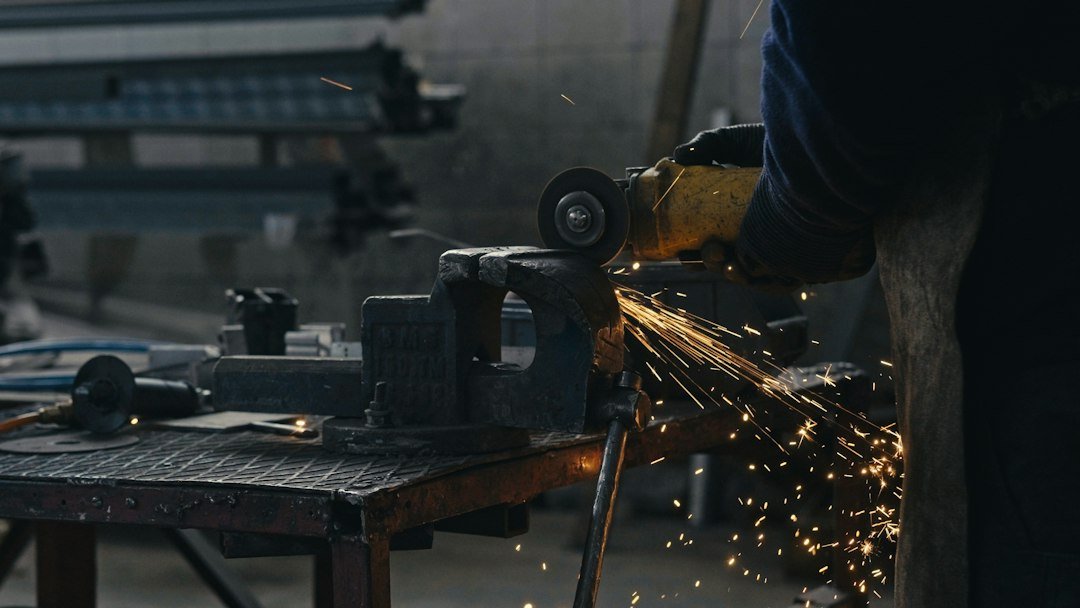
Eye injuries can happen in seconds on construction sites, fabrication shops, welding bays and maintenance projects. Flying metal chips, grinding sparks, welding radiation, dust, chemical splashes and pressurised particles can cause injuries ranging from irritation to permanent vision loss. The good news is that many incidents can be prevented through hazard assessment, engineering controls, suitable eye and face protection, and consistent safe work practices.
This guide explains practical eye-safety measures for construction and fabrication activities. Always follow your site risk assessment, permit requirements, equipment instructions, safety data sheets (SDS) and applicable local regulations.
Why eye safety matters
Workers may be exposed to different hazards during cutting, grinding, drilling, chipping, welding, abrasive blasting, painting, concrete breaking, material handling and chemical cleaning. A standard pair of spectacles is not suitable for every task. Protection must match the hazard and be worn correctly throughout the exposure.
Common eye hazards at work
- Flying particles: Metal fragments, concrete chips, wood splinters, grinding debris and dust.
- Welding and cutting radiation: Intense ultraviolet (UV), infrared (IR) and visible radiation that can injure eyes and skin.
- Chemical splashes: Paint, solvents, acids, alkalis, cleaning agents and other process chemicals.
- Dust and airborne fibres: Cement, insulation, sanding dust and particles from surface preparation.
- Impact and pressure: Fragments released by pneumatic tools, compressed-air cleaning or damaged equipment.
- Environmental conditions: Wind-blown debris, poor lighting, glare and fogged or scratched lenses that reduce visibility.
Select the right eye and face protection
- Safety glasses with side protection: For general impact and flying-particle hazards where the risk assessment confirms they are suitable.
- Goggles: For dust, fine particles or splash hazards when a close-fitting seal is required. Choose chemical-splash goggles for chemical work.
- Face shields: For additional protection against sparks, splashes or flying fragments. A face shield usually supplements, rather than replaces, suitable safety glasses or goggles.
- Welding helmets and filter lenses: Use the correct shade and approved equipment for the welding or cutting process. Do not look at an active arc without suitable protection.
- Prescription safety eyewear: Workers who need corrective lenses should use approved prescription safety glasses or compatible over-glasses/goggles.
- Task-specific protection: Ensure equipment is compatible with helmets, respirators, hearing protection and other PPE.
Choose certified equipment that meets the applicable standard and is rated for the specific hazard. Tinted lenses do not automatically provide welding or UV protection.
Eye safety during construction activities
Cutting, drilling, chipping and concrete work
- Wear suitable impact-rated eye protection; add a face shield where the risk assessment requires it.
- Use guards, dust extraction or wet methods where appropriate and permitted.
- Secure the workpiece, inspect tools and accessories, and keep guards in place.
- Keep bystanders outside the work zone and position screens to contain flying debris.
- Never use compressed air to blow dust off clothing or skin. Use an approved cleaning method.
Welding, gouging and thermal cutting
- Use a welding helmet with the correct filter shade for the process and current, along with suitable safety glasses underneath as required.
- Protect nearby workers with welding screens and warning signs to prevent arc-eye exposure.
- Inspect helmets, lenses and filters for cracks, damage or poor visibility before use.
- Keep the helmet down before striking an arc and follow the approved hot-work procedure.
Eye safety during fabrication and grinding
- Inspect grinding wheels, cutting discs, guards and tools before use; never use damaged or incorrect accessories.
- Wear impact-rated safety glasses or goggles and add a suitable face shield for grinding and high-energy cutting where required.
- Stand clear of the wheel’s plane during start-up and follow the tool manufacturer’s operating limits.
- Use screens to protect nearby workers from sparks and particles.
- Clamp materials securely and never remove machine guards to make a task easier.
- Use local extraction or other effective controls to reduce dust and fumes. Respiratory protection may also be needed, but it does not replace eye protection.
Chemical handling and painting
- Read the SDS and risk assessment before mixing, transferring or applying chemicals.
- Use chemical-splash goggles and a face shield where splash risk warrants it; select materials compatible with the chemical.
- Know the location of the nearest eyewash station and keep access clear.
- When transferring chemicals, use suitable containers and controlled methods to minimise splashes.
- Do not wear contact lenses as a substitute for protective eyewear. Follow workplace guidance for contact lenses in hazardous areas.
Inspection, cleaning and care of PPE
- Inspect lenses, frames, straps, seals and face shields before each use.
- Replace scratched, cracked, distorted or damaged protection; impaired visibility can create additional hazards.
- Clean equipment according to the manufacturer’s instructions and store it in a clean, protected place.
- Do not share personal protective equipment unless it has been properly cleaned and disinfected.
- Keep spare protection available so work does not continue with damaged or missing equipment.
What to do if an eye injury occurs
- Dust or loose particles: Do not rub the eye. Use an eyewash only where appropriate and seek medical assessment if discomfort persists or a particle may be embedded.
- Chemical splash: Start flushing immediately at an eyewash station and continue according to the SDS and emergency procedure. Arrange urgent medical attention; do not delay flushing while looking for paperwork.
- Embedded object, puncture or impact injury: Do not press, rub or attempt to remove an embedded object. Protect the eye without applying pressure and obtain emergency medical care immediately.
- Welding flash or vision changes: Report the exposure and seek medical advice, especially for pain, light sensitivity or blurred vision.
- Report all eye incidents and near misses so the cause can be investigated and controls improved.
Supervisor’s eye-safety checklist
- Task hazards and nearby workers assessed before work starts.
- Correct, certified eye/face protection selected and available.
- Tools, guards, discs, screens and extraction equipment inspected.
- Welding screens and exclusion zones established where needed.
- Chemical SDS reviewed and eyewash access confirmed for splash-risk tasks.
- Workers trained in PPE use, limitations, cleaning and emergency response.
- Damaged PPE replaced and unsafe conditions corrected before restarting.
Conclusion
Eye safety is a shared responsibility. Assess the hazard before each task, control particles and radiation at the source, wear protection suited to the work, inspect PPE, and make sure workers know how to respond to an injury. If the required protection or a critical control is missing, stop the job and notify the supervisor.
Disclaimer: This article provides general safety information and does not replace a site-specific risk assessment, professional medical advice, product SDS instructions or applicable legal requirements.